Commissioner:
Rodland Viola Studio Premieres Collaboration at Juilliard, 2026
Duration:
10 min
Movements:
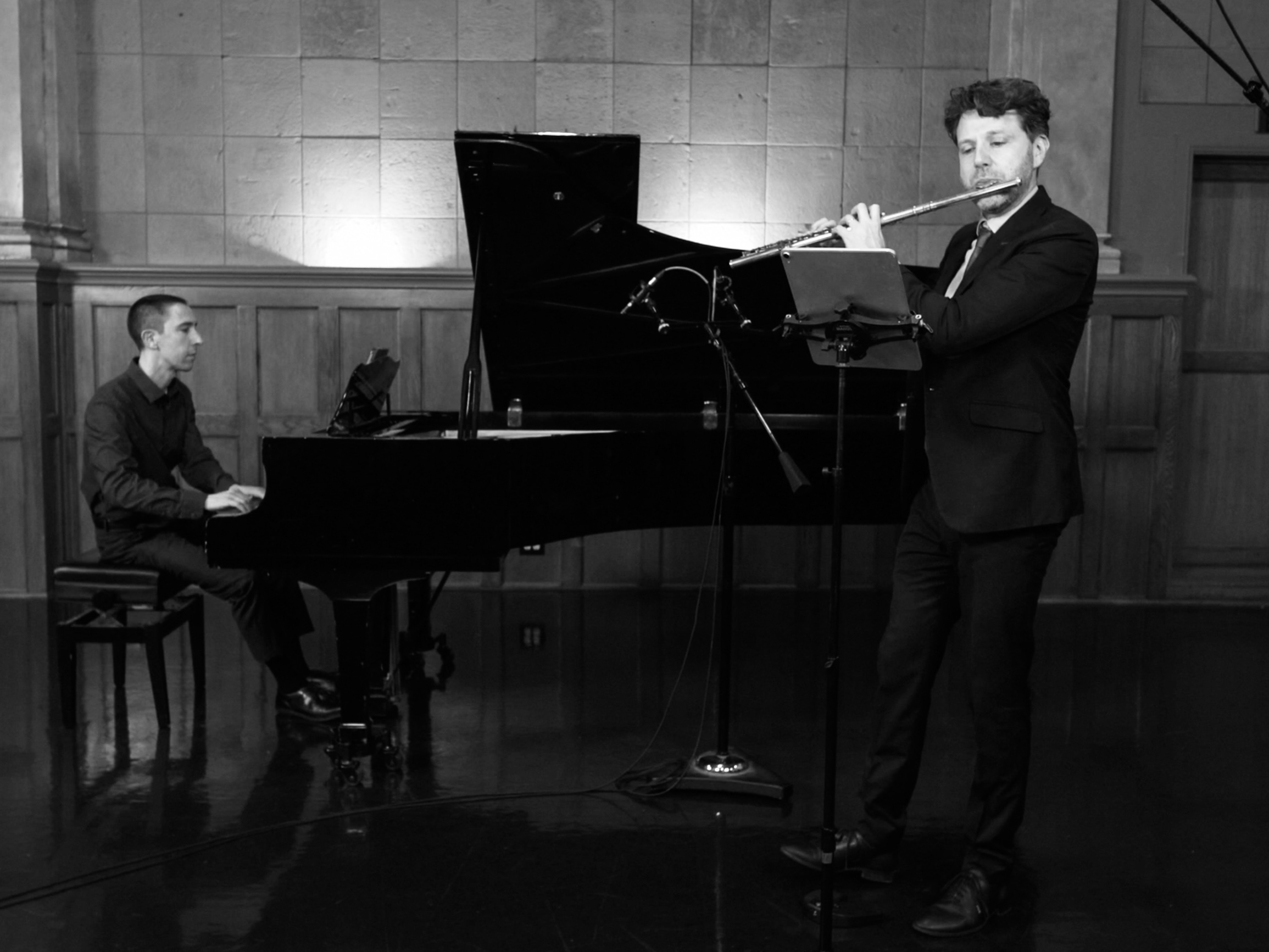
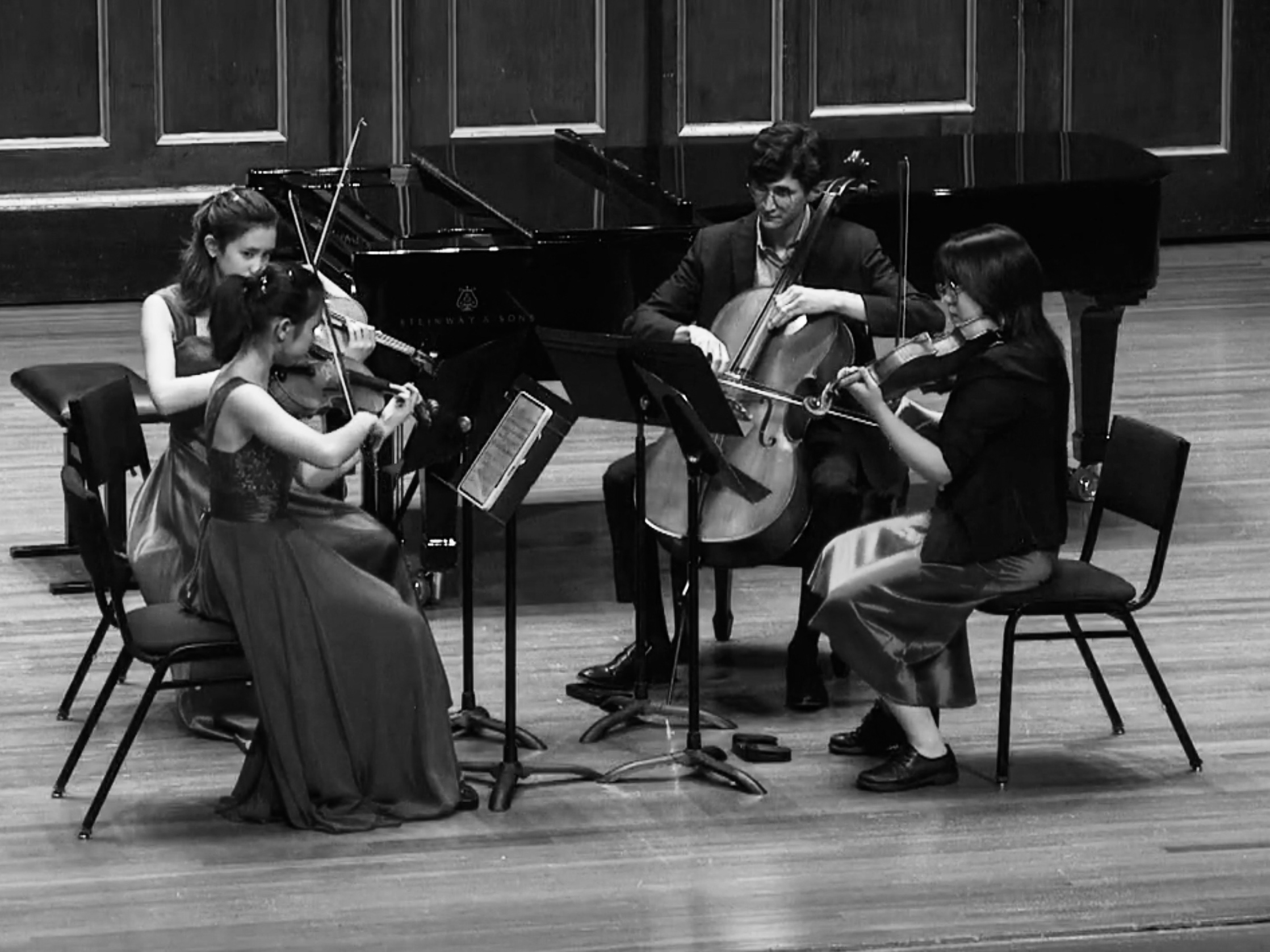
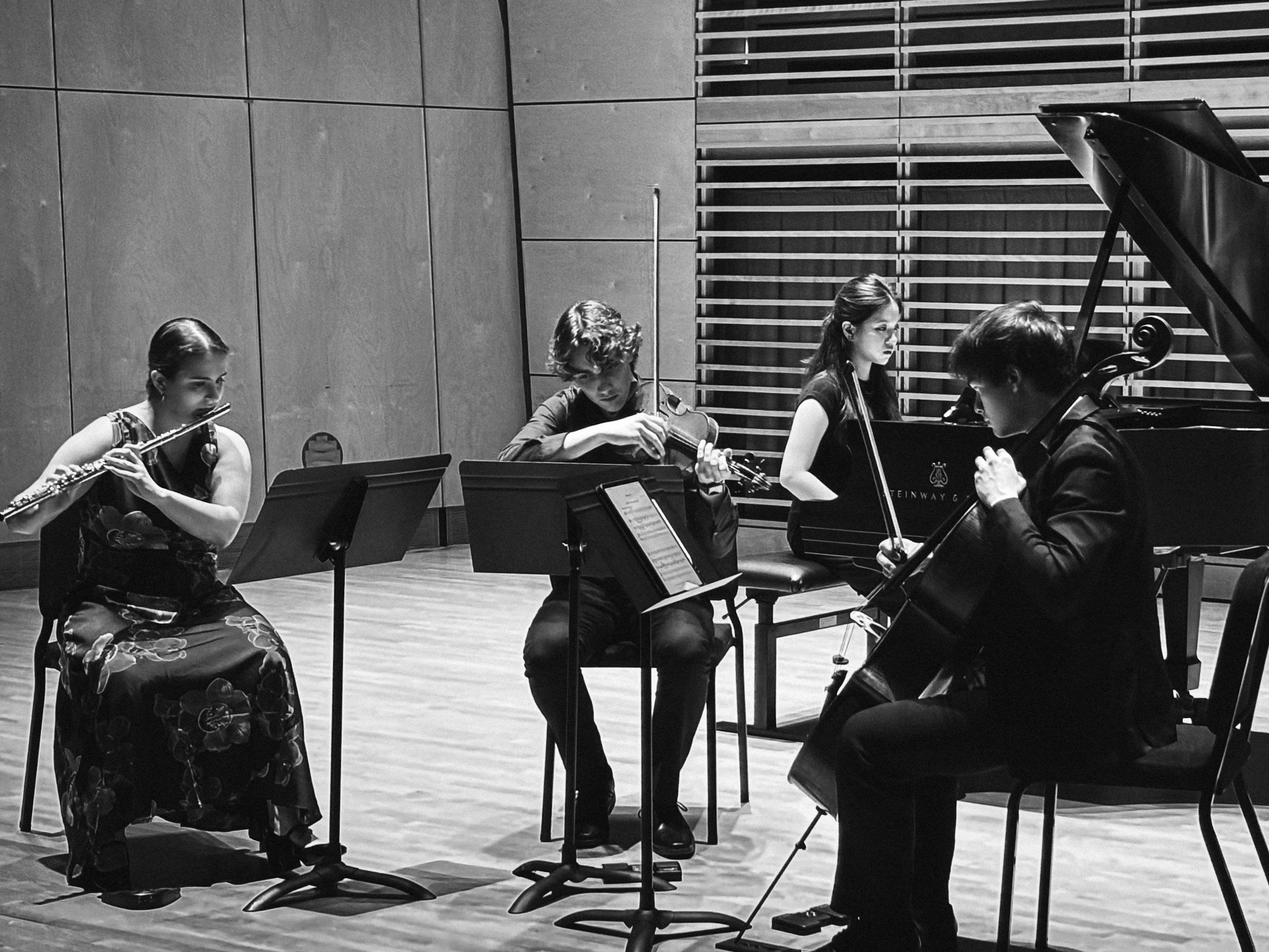
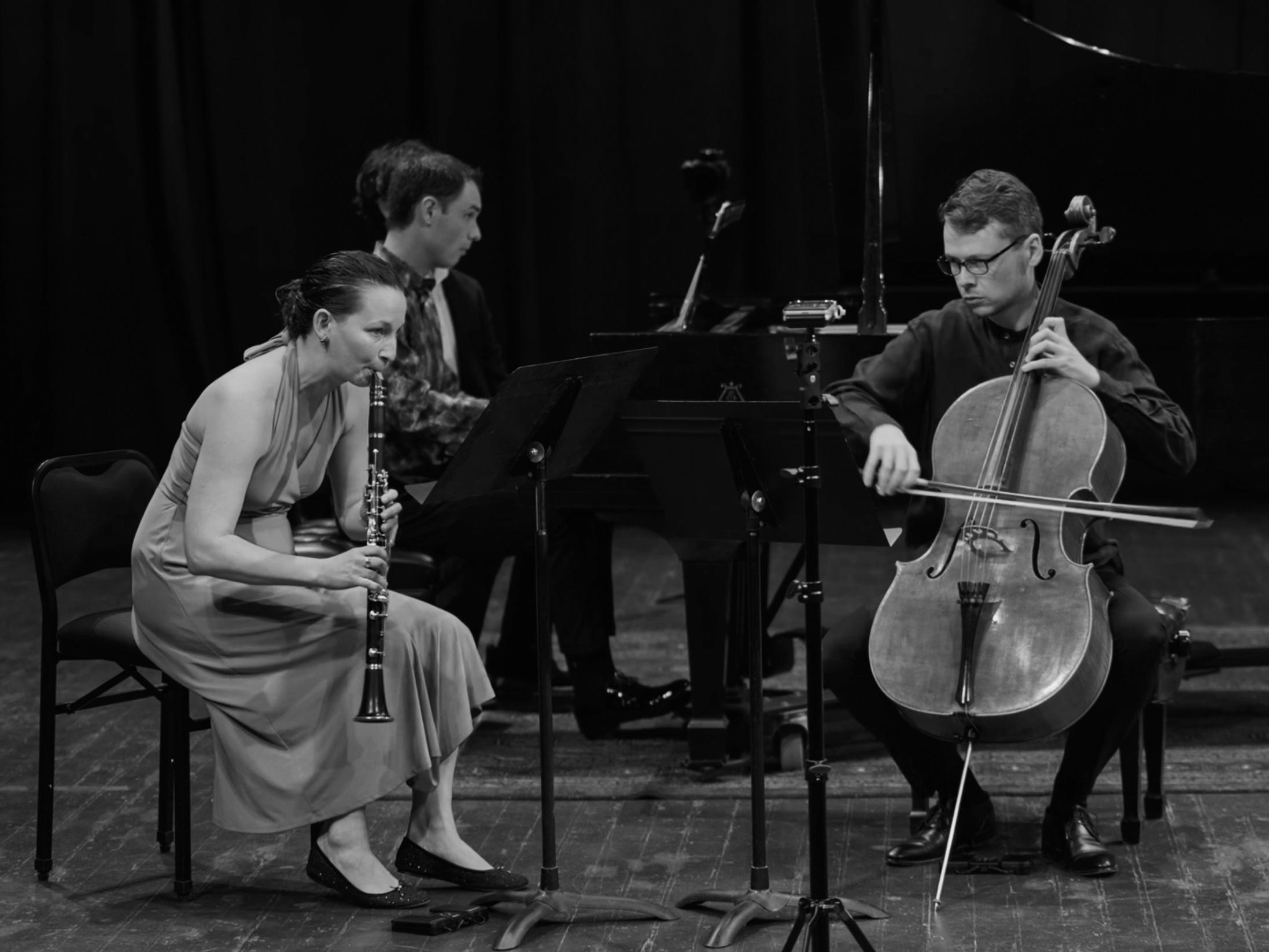
I Bare (shown above)
II Gasp (shown above)
III Utter
Program Note:
"Begins imperceptibly, near-perceptible. (Just once. Just one time and it will take.) She takes. She takes the pause. Slowly. From the thick. The thickness. From weighted motion upwards. Slowed. To deliberation even when it passed upward through her mouth again. The delivery. She takes it. Slow. The invoking. All the time now. All the time there is. Always. And all times. The pause. Uttering. Hers now. Hers bare. The utter."
—Theresa Hak Kung Cha, Dictée
Dictée (dictation), the practice of listening and transcribing, is a grammar exercise that is familiar to many non-native English speakers, including me. Growing up, learning a second language always feels like a study in contradiction: it is rewarding at first, yet a closer look often suggests a certain level of self-erasure in the name of assimilation. Caught between these opposing forces, the body becomes a vulnerable site of negotiation, pushing home away as it struggles to carve out a space of its own. Drawn from my own experience as a language learner, I wrote this piece to render this nuanced internal negotiation in sound — one that can be halting, vulnerable, and even traumatic at times. In the piece, the viola embodies the language learner, while the piano embodies the language that the narrator (viola) is trying to learn. The first movement opens with the viola repeating its four open strings over and over again, evoking the annoying rules of early grammar study. In the second movement, the viola and piano gradually converge into one entity, mirroring the narrator's growing fluency. Eventually, the piece closes with the third movement, as the narrator reconciles with her nuanced sense of identity and arrives at a final, epiphanic release.